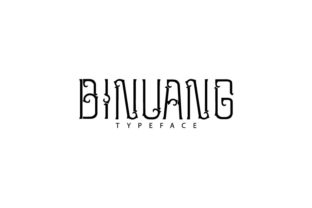
Binuang: A Decorative Font for Creative Display and Branding
As a handmade product creator, I’ve spent countless hours designing labels, invitations, and packaging for my small shop. One of the most critical elements in any design is the font—it can make or break the visual appeal and readability of your product. Recently, I tested Binuang, a decorative Fonts that’s designed for headlines display purposes, and I was immediately drawn to its charm and versatility.
Binuang for Candle Labels and Product Packaging
I first used Binuang on a candle label I was designing for a seasonal collection. The font’s elegant curves and subtle flourishes gave it a soft, handcrafted feel that perfectly matched the rustic aesthetic of the candles. It worked beautifully as a display font, standing out without overwhelming the design. I found that Binuang is ideal for short phrases, names, and decorative wording—making it perfect for product labels where visual appeal is key.
When testing Binuang on physical materials like paper and cardstock, I noticed how it retained its character even when printed at smaller sizes. This made it a great choice for boutique tags and small stickers, where clarity and style are equally important. I also appreciated how it paired well with a clean sans serif font for body text, creating a balanced and professional look.
Binuang for Wedding Invitations and Elegant Branding
Next, I tried using Binuang for a wedding invitation mockup. The font’s ornate yet approachable style added a touch of sophistication without being too formal. It was especially effective for the headline section, drawing the eye and setting the tone for the entire invitation. I found that Binuang works exceptionally well for branding and logo design, offering a unique identity that stands out in a crowded market.
One thing I noticed was that Binuang is best suited for short phrases and titles. It’s not ideal for long paragraphs or dense text, which makes sense given its decorative nature. However, this limitation actually enhances its use as a display font, ensuring it remains the focal point of any design rather than getting lost in the details.
Binuang for Digital Printables and Social Media Graphics
Since I often create digital printables and social media graphics, I wanted to see how Binuang performed in those environments. When used on a digital template preview, the font maintained its elegance and readability, making it a great fit for web design and social media graphics.
I also tested Binuang in different file formats and weights, finding that it scaled well across platforms. Whether it was a bold headline for a printable wall art piece or a subtle accent on a Cricut sticker sheet, Binuang delivered consistent results. I recommend checking the included styles, alternates, and ligatures before finalizing your design, as these features can add depth and variety to your projects.
Binuang for Seasonal Crafts and Boutique Tags
During the holiday season, I used Binuang to create festive tags for a boutique collection. Its decorative flair complemented the theme of each item, from vintage-inspired mugs to modern tote bags. I found that Binuang adds a layer of personality to seasonal products, helping them stand out on online marketplaces and in-store displays.
However, I also noticed that Binuang isn’t always the best choice for very tiny cuts or technical instructions. For instance, when designing product tags that needed to include detailed information, I opted for a simpler sans serif font instead. That said, Binuang still played a key role in the overall branding and visual storytelling of the collection.
Binuang for Design Consistency and Brand Identity
One of the biggest advantages of using Binuang is its ability to maintain design consistency across multiple products. Whether it’s a set of greeting cards, a line of planners, or a series of wall art prints, Binuang helps reinforce brand identity by providing a cohesive visual language.
For those looking to build a strong brand identity, Binuang offers a versatile tool that can be paired with other fonts to create a balanced typographic hierarchy. I often pair it with a simple script font for a more personal feel or a bold sans serif for a modern twist. This flexibility makes Binuang an excellent addition to any designer’s toolkit.
Before selling physical products, templates, or digital downloads, I always check the font’s licensing and support for multilingual use. Ensuring that Binuang meets commercial requirements is essential for creators who want to offer high-quality, legally compliant designs to their customers.